Board exams are important milestones in a student’s academic journey. As board exams approach, students start planning and strategizing on how to perform well in these crucial tests. An important part of this preparation is checking board exam question papers of previous years.
Checking past exam papers equips students to understand the exam pattern, marking scheme, type and difficulty level of questions, frequently asked concepts, weightage given to topics, etc.
This vital exam analysis enables students to plan their studies efficiently, revise better and be exam-ready. Let’s learn the systematic approach to check board exam papers in 2026.
Gather Past Exam Papers
The first step is collecting board exam question papers of the past 5-10 years. These can be accessed from the following sources:
Official Website
Most board websites upload past exam papers year-wise. These are reliable resources, access them to download free PDFs of question papers.
Schools/Coaching Centers
Ask your school teachers or coaching centers to provide printed copies or soft copies of past year board exam papers they have. Refer to them.
Friends/Seniors
Connect with friends or seniors who cleared your board exam in previous years. Request them to share the question papers they have for reference.
Online Educational Portals
Many online portals like Jagran Josh, Careers 360 etc. provide board exam previous year papers for easy download. Search for relevant papers here.
Thoroughly Check Each Section
Once you have all past exam papers, analyze each diligently section-wise.
Check All Questions
Read questions of every section carefully and try to solve them by yourself at first. Understand what is being asked clearly before solving questions. Scan through options too.
Refer Marking Scheme
While solving questions, also refer to official marking schemes to understand the format expected in the answer for full marks. This gives clarity on key points to mention in answers.
Analyze Difficulty Level
Evaluate if the questions asked are Easy, Medium or Difficult level. This indicates the expected difficulty level in upcoming exams. It also helps plan revision accordingly to manage time during the actual exam.
Note Key Details
Note down key aspects like format, type and number of questions asked per section, topics covered, marks allotted per question, choice provided in questions etc. This reveals the broad exam pattern.
Evaluate Your Performance
Based on the analysis, solve past exam papers in real-time exam conditions.
Set Timer as Per Exam Rules
Strictly adhere to specified exam duration given. Set timers section-wise or for entire paper while solving them to adapt to the available time during actual exam.
Revise Thoroughly Before Solving
Ensure you have thoroughly revised all required concepts and topics before evaluating your performance. This will help you solve most questions accurately.
Check Solutions Later
After solving each paper, check solutions from marking schemes. Identify your strong and weak areas topic-wise and improve them. Analyze types of mistakes – factual errors, incomplete answers, formula errors etc.
Document Scores
Note your scores for each subject paper solved. Track your percentage subject-wise and aim to improve your scores consistently with each subsequent paper solved over time.
Learn From Every Attempt
Checking board exam previous papers is not just solving questions but also learning from the process. Stay motivated !
Identify Knowledge Gaps
Finding difficult to solve certain questions indicates the concepts not clear or topics you haven’t studied at all. List these topics and revise them priority-wise.
Work on Weak Areas
Focus more on topics you scored less consistently across papers solved. Research them thoroughly and practice till you achieve command over them.
Upgrade Solving Skills
Analyze areas where you lost marks due to incomplete solutions in spite of knowing the concepts. Work on solving skills by regular practice and mock tests. Learn effective time management within exam conditions.
Take Notes
Note the nature or type of questions asked frequently over the years. Predict questions from these key topics that have more probability of being asked. Prioritize them in exam preparation strategy.
How Many Past Exam Papers to Solve?
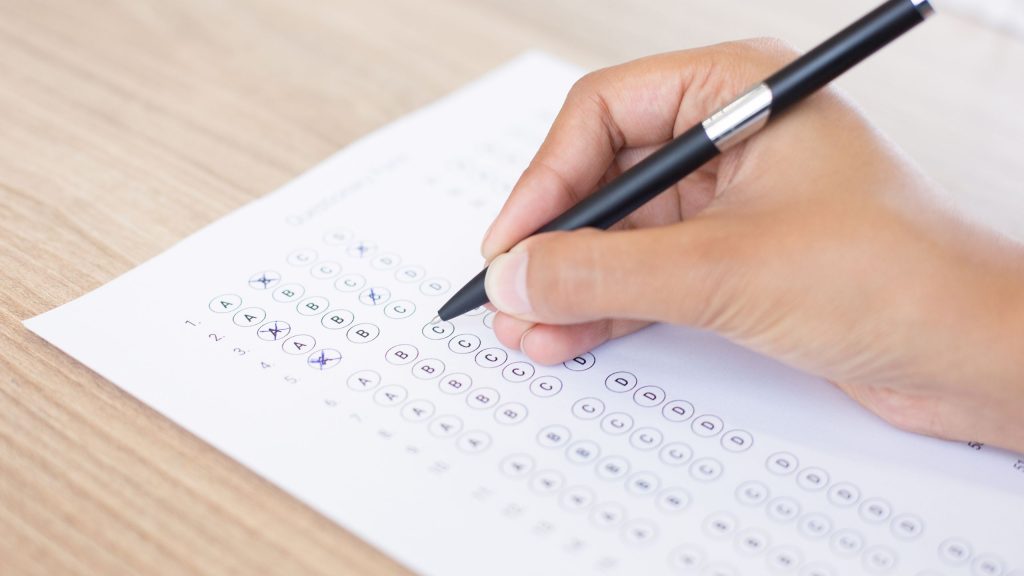
Solving too many papers makes preparation repetitive leading to boredom. Solving too few papers makes preparation inadequate for sizable exams like boards. What is the optimum number of past exam papers to be solved then before the board exams? Let’s analyze.
Solving 5-7 Years of Past Exam Papers
Ideally solving at least 5-7 years of past question papers gives good understanding of exam trends over the years.
Solving 7 years of past papers ensures you will be able to evaluate change in exam patterns or topics focussed once every 2-3 years by the Paper Setters in your board.
Going through 5 years question papers comprehensively shows the recurring themes, topics or questions over the half a decade. You can expect similar questions in upcoming exam.
Hence, solving 5-7 years board exam question papers proves to be adequate exam practice before finals.
Avoid Solving Random Excess Papers
While 5-7 years question papers are enough, some students collect 10 years or more previous exam papers out of panic or lack of direction.
They end up solving randomly whatever papers they have without considering time constraints before exams. This excessive solving do not contribute much to preparation effectiveness or confidence.
Also, very old papers may have extremely outdated syllabus or pattern which are irrelevant now for upcoming board exams.
Therefore, limit reference papers between 5-7 years only for optimal utilization of crucial preparation time pre-boards. Avoid solving excess random old papers.
Select Latest Papers Mandatorily
Though overall 5-7 years question papers suffice, also cherry pick latest 2 years question papers and solve them multiple times diligently without fail.
These latest exam papers reveal current syllabus weightage, recent trends and most expected questions for upcoming exams. Hence, solve them thoroughly several times till you achieve outstanding scores consistently in these papers.
Frequently Asked Questions (FAQs)
Here are answers to some frequently asked questions about checking board exam papers:
Q1. Where can I access past 10 years board exam papers reliably?
Official board websites and leading education platforms are reliable online sources for downloading past 10 years board exam question papers freely to aid your preparation. Offline, you can also source previous years board exam papers from your school teachers, private tutors or coaching institutes you attend.
Q2. How should I manage study time while solving several years past papers?
Prioritize solving latest 2-3 years question papers multiple times as they are most relevant for upcoming board exams. Solve 5-7 years papers at least once referring marking schemes and learning from your performance. Avoid randomly solving excess old exam papers due to time crunch pre-boards.
Q3. How do I evaluate my preparation level from solving past exam papers?
Check percentage scores paper-wise to know subject proficiency levels. Identify topics where you consistently score low marks across papers and focus efforts on them. This indicates preparedness for board exams realistically over other practice methods. Steadily improve weaker areas.
Q4. Is my board exam question paper fully based on past exam papers?
While questions are seldom completely repeated, past papers give a reliable blueprint for board exams year-on-year. Major portion features similar concept questions formatted differently. Also solve model test papers created by your board to account for fully new questions.
Q5. Past papers show I am still very weak in 3 subjects. How can I score pass marks now?
Work intensely only on topics you find difficult in these subjects as per analysis for next 1-2 months through revision, problem solving and re-tests. Avoid solving more papers randomly. Seek guidance from teachers, mentors online for strengthening concepts in weaker areas upto pass level scores. Stay determined !
Conclusion
Analyzing board exam previous papers thoroughly early in your preparation journey gives direction towards exam success. The key is not just solving several years papers but more importantly learning from each attempt to streamline further efforts.
Stay strategic in number of years papers solved so it aids effective revision. Identify recurring topics/questions and focus preparation on mastering them across subjects to achieve high scores !