An auto electrician installs, maintains, and repairs electrical wiring and components in motor vehicles. As vehicles become increasingly electronic and reliant on complex electrical systems, there is a growing demand for skilled auto electricians across the UK.
Becoming a qualified auto electrician offers stable employment prospects and opportunities to run your own auto electrical service business. This guide explains the steps to start your career as an auto electrician in the UK.
Getting the Right Qualifications
To work professionally as an auto electrician in the UK, you will need to complete a Level 3 qualification approved by the Institute of the Motor Industry (IMI). There are two main options:
IMI Level 3 Diploma in Electrical and Hybrid Vehicle Repair
This diploma covers all key electrical and hybrid systems, including fault diagnosis, repair, testing, and inspection.
The course lasts 1-2 years and includes both college-based learning and on-the-job work placement. Many colleges across the country offer IMI-approved courses.
IMI Level 3 NVQ Diploma in Diagnosis and Rectification of Vehicle Auxiliary Electrical Faults
This NVQ (National Vocational Qualification) focuses specifically on the practical skills and knowledge needed to diagnose and fix electrical issues.
You train directly with an experienced auto electrician supervisor. The course lasts 12-18 months and leads to the Auto Electrician NVQ.
Either IMI-approved route will qualify you to work as an auto electrician. Entry requirements are 4-5 GCSEs at Grade 9-4/A-C, including Maths, English, and Science. Some mechanical knowledge or experience can also help.
Finding Work
Newly qualified auto electricians can begin applying for these types of jobs:
- Vehicle dealership technician
- Independent garage electrician
- Fast fit auto centres (e.g. Kwik Fit)
- Vehicle recovery assistance electrician
- Vehicle modification specialist
- Auto electrical goods retailer technician
Check job boards and dealership websites and approach local garages directly. Once established you could move into diagnostic testing, fleet vehicle maintenance, auto electrical goods sales/distribution or even start your own mobile diagnostic and repair service.
Getting Licensed
To work on electric and hybrid vehicles in the UK, you need to gain a Hybrid Electric Vehicle Repair License (HEVR). Many colleges include HEVR modules in Level 3 auto electrician courses. If not, speak to potential employers about funding the HEVR license exams.
You can also pursue other IMI licenses to widen your repair specialisms, such as:
- Air Conditioning Repair License
- Alternative Fuel Vehicle License (AFV)
- Light Vehicle Diagnostic License
Essential Technical Skills
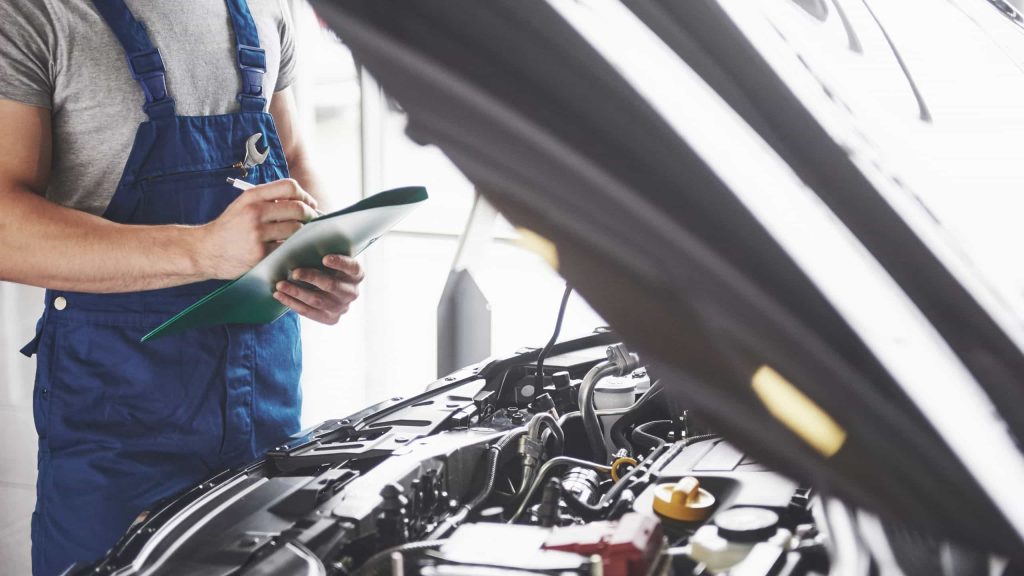
An auto electrician relies on specialist technical knowledge and practical skills, including:
- Vehicle Electrical System Understanding: Read wiring diagrams; diagnose faults in starter motors, alternators, batteries; repair lighting, electric windows and computer-based components.
- Testing Equipment: Use voltmeters, ammeters, oscilloscopes to test voltages/current and identify electrical issues.
- Soldering and Wiring: Repair damaged cables, replace loose connections, install new electrical components and circuits.
- Mechanical Aptitude: Take apart interiors to access wiring; reassemble components safely after repairs.
- Diagnostic Ability: Assess performance issues; pinpoint electrical causes using testing equipment and system analysis; advise garage colleagues on electrical contributions to wider problems.
- Dexterity and Vision: Perform precision work in tight spaces; see and touch small components.
- Troubleshooting Skills: Identify why electrical problems have occurred and how to prevent reoccurrence.
- Technology Understanding: Continually update knowledge as vehicles evolve with computerised systems, hybrid engines, high voltage batteries, automated driving aids etc.
FAQs
Do I need to do an apprenticeship?
No, but an IMI-approved apprenticeship that includes college learning and work experience is an excellent path into the profession. Apprentices earn while they learn.
What ongoing training is needed?
Auto electrical systems constantly change with new technology and models. Undertake regular manufacturer training; study new diagnostic methods. Consider specializing as vehicle complexity increases.
What is the average auto electrician salary in the UK?
Auto electricians can earn £18,000-£40,000 depending on experience and specialism. With licenses and diagnostic roles this rises towards £50,000. Running your own business offers further potential.
How long does it take to qualify as an auto electrician?
A Level 3 Diploma or NVQ takes 1-2 years, starting with little or no experience. An intensive college course takes less time, but apprenticeships provide invaluable workplace experience alongside qualifications.
What are the main duties in the job?
Key duties include discussing electrical issues with drivers, diagnosing faults through testing components, estimating repair costs, fitting new parts like control units and cables, reprogramming vehicle computers, testing and signing off completed work.
Conclusion
Becoming a professional auto electrician requires specialist technical qualifications alongside continual development of fault diagnosis and vehicle repair skills.
As vehicles rely ever more on electronics, qualified auto electricians are indispensable across dealerships and garages. Starting your career via an IMI-approved college diploma or apprenticeship gives you the skills and work experience needed to gain employment and flourish as vehicles continue evolving.
Once established, you can pursue senior diagnostic, fleet management, and training roles or start your own auto electrical service business.